Algorithmic Antitrust

GAICIL Insights
Algorithms shape how we shop and how firms compete, and agencies have investigated and fined many algorithm-driven companies, mostly over allegedly unfair algorithm design. This edited volume asks whether the pessimistic predictions about algorithms and competition have actually materialized.
It argues for an innovation-driven approach, with a particular emphasis on Europe, grounded in concrete evidence of pro- and anti-competitive effects. The same evidentiary discipline is needed now that AI systems, not just ranking algorithms, are under scrutiny.
Abstract (back cover)
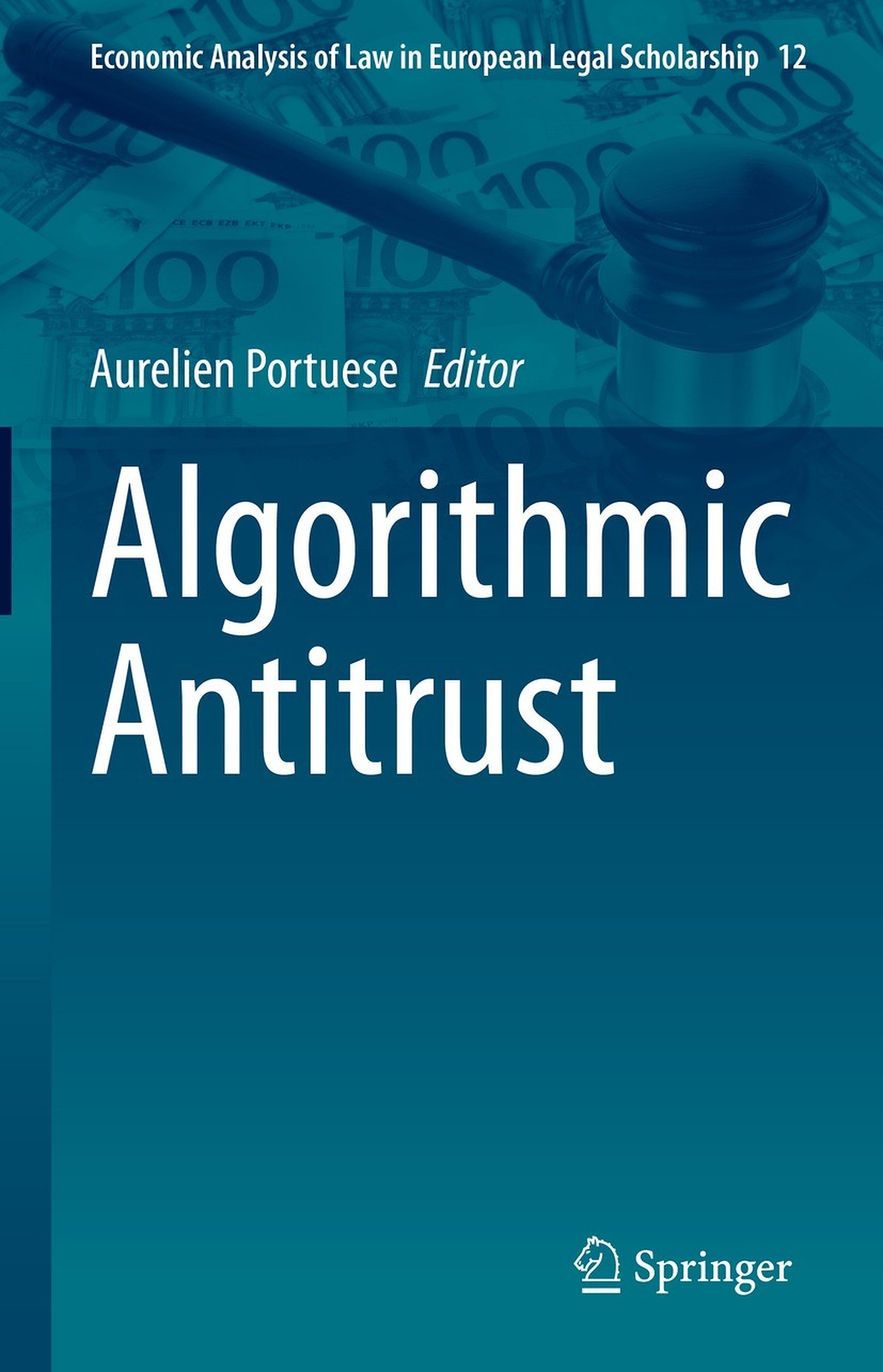
Algorithms are ubiquitous in our daily lives. They affect the way we shop, interact, and make exchanges on the marketplace. In this regard, algorithms can also shape competition on the marketplace. Companies employ algorithms as technologically innovative tools in an effort to edge out competitors. Antitrust agencies have increasingly recognized the competitive benefits, but also competitive risks that algorithms entail. Over the last few years, many algorithm-driven companies in the digital economy have been investigated, prosecuted and fined, mostly for allegedly unfair algorithm design. Legislative proposals aim at regulating the way algorithms shape competition. Consequently, a so-called “algorithmic antitrust” theory and practice have also emerged. This book provides a more innovation-driven perspective on the way antitrust agencies should approach algorithmic antitrust.
To date, the analysis of algorithmic antitrust has predominantly been shaped by pessimistic approaches to the risks of algorithms on the competitive environment. With the benefit of the lessons learned over the last few years, this book assesses whether these risks have actually materialized and whether antitrust laws need to be adapted accordingly. Effective algorithmic antitrust requires to adequately assess the pro- and anti-competitive effects of algorithms on the basis of concrete evidence and innovation-related concerns. With a particular emphasis on the European perspective, this book brings together experts and scrutinizes on the implications of algorithmic antitrust for regulation and innovation.1
Buy the book from the publisher
Takeaway
“Effective algorithmic antitrust requires to adequately assess the pro- and anti-competitive effects of algorithms on the basis of concrete evidence and innovation-related concerns.”
Quoted verbatim from the author’s abstract.
Notes
- Algorithmic Antitrust (Aurelien Portuese ed., Springer 2022), https://doi.org/10.1007/978-3-030-85859-9. Back-cover text quoted verbatim from the publisher’s page, https://link.springer.com/book/10.1007/978-3-030-85859-9. ↩
Cite as: Algorithmic Antitrust (Aurelien Portuese ed., Springer 2022), https://doi.org/10.1007/978-3-030-85859-9
Header image: BSC-MareNostrum-D.JPG by Vcarceler, CC BY-SA 3.0, via Wikimedia Commons.

