Mission Statement
We advise board executives, policymakers, and litigants on whether a position in the AI stack is the reward for a better product or a door shut on the next entrant.

Mission Statement
AI has done to the cost of intelligence what electricity did to the cost of power. Old cost structures collapse and new rents appear. Incumbents try to freeze the positions they hold. Agencies, alarmed by the wreckage, reach for precaution. Courts are asked to rule on foreclosure with tools built for cement and airlines.
The Lab exists to close that gap. We advise companies on the economics of AI and on strategic management; we support governments in the design, implementation, and review of policy; and we provide expert testimony to litigants. We also convene decision makers wherever research needs to meet the people who act on it. Our method rests on three commitments: rigorous research drawing on deep analytical capability, sustained engagement with decision makers through our network and experience, and a demonstrated impact for every deliverable. The work is global, supported by a network of leading universities. The Lab sits at a rare juncture, at once an economics laboratory, a management consultancy, a public affairs practice, and a think-and-do tank.
We study how artificial intelligence changes competition at home, competitiveness across borders, and the pace of creative destruction in the rules that govern both. We are pro-innovation because precaution by default works as a tax on entry: incumbents can pay it, newcomers cannot. A rent earned by a better product drives growth. In a Schumpeterian perspective, a rent shielded by a rule that shuts the door does the reverse.
Vision Statement
We partner with companies and governments to help them reach their goals, removing the obstacles they face in understanding, adopting, and shaping the development of AI, both within their organizations and beyond them.
A market that freezes yesterday’s winners in place gets stagnation instead of safety. A market that cannot tell a temporary innovation rent from durable market power gets a story instead of growth. We exist so that neither mistake is made on a vendor slide or written into a statute that takes a decade to unwind.
Washington, DC is our home, but our outreach is global, with a particular focus on the jurisdictions where our scholars are based: the United States, Europe, and Asia.
Our Edge
Few institutions can carry a question from rigorous economic research all the way to a decision. The Lab is built to do exactly that. The scholars who estimate demand systems and build bargaining models are the same people who brief boards, advise ministries, and testify before courts, so the analysis and the advice never part ways. Clients gain academic depth, strategic judgment, and access to decision makers in a single engagement.
Research
Frontier economic analysis of AI markets, held to the standards of peer review.
Advice
Strategy, policy, and expert testimony that an executive, a minister, or a judge can act on.
Impact
Convenings with decision makers, and a demonstrated result for every deliverable.
Market power in AI originates in a given layer of the stack and propagates to adjacent layers. Our analysis traces that dynamic over time rather than relying on static market shares.
1 · The stack, not the snapshot. Market power in AI sits in layers (chips, cloud, data and evaluation, foundation models, applications and distribution) and moves between them through exclusive access, preferential partnerships, and vertical integration. A snapshot of the application layer misses the real constraint. Static shares get both critical moments wrong: early adoption, when a lead can widen, and later diffusion, when it can erode. So we model the path.
2 · The three questions that change the decision. Every engagement runs through the 3 Cs. If the work cannot change the answer to one of them, we do not take it on.
Can a new firm, a new model, or a new complement still challenge the stack?
Competition policy that ignores competitiveness assumes a closed economy. Competitiveness without creative destruction turns into industrial policy for yesterday's winners. And creative destruction without competition policy is the story incumbents tell while they close the door.
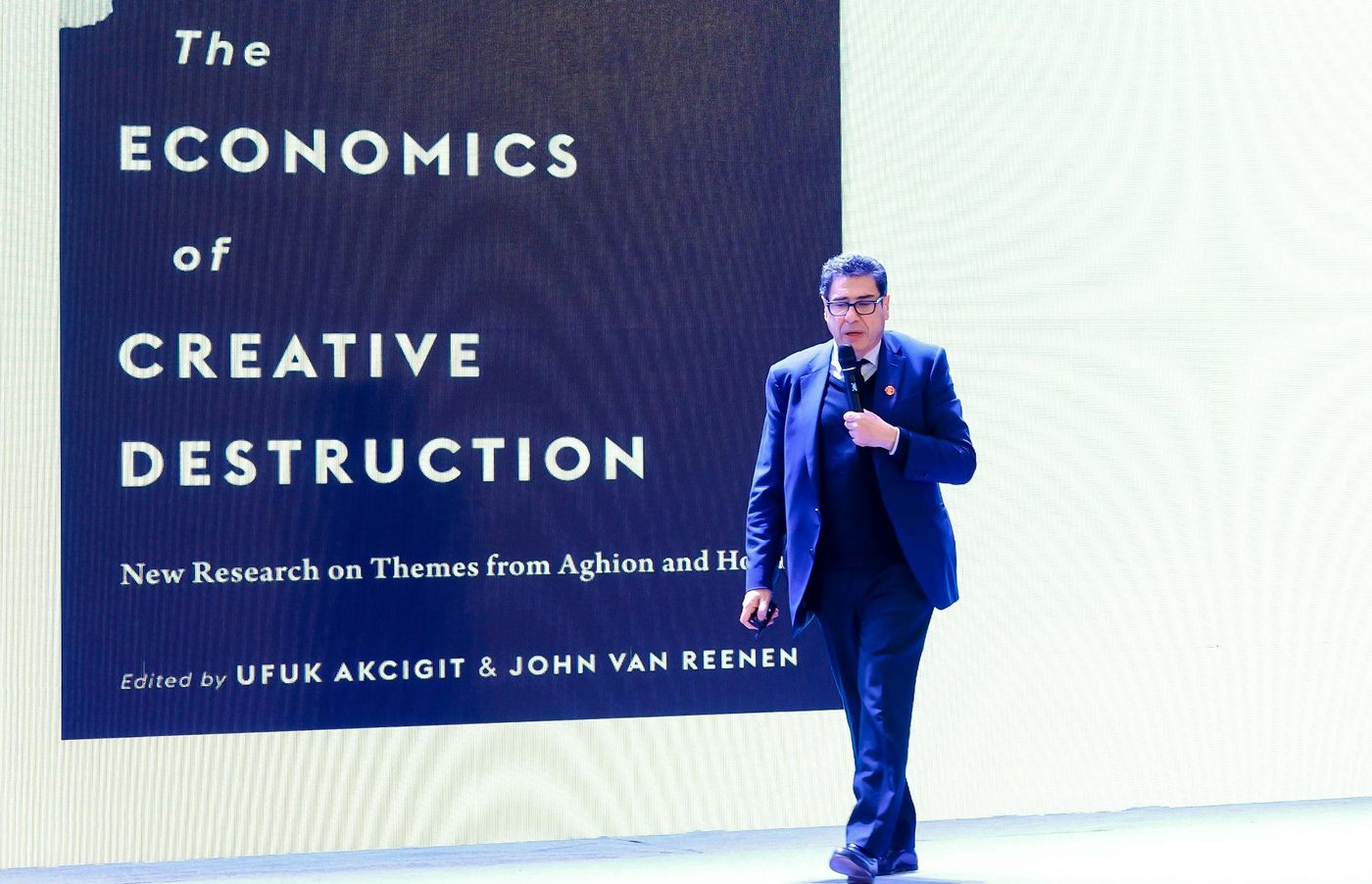
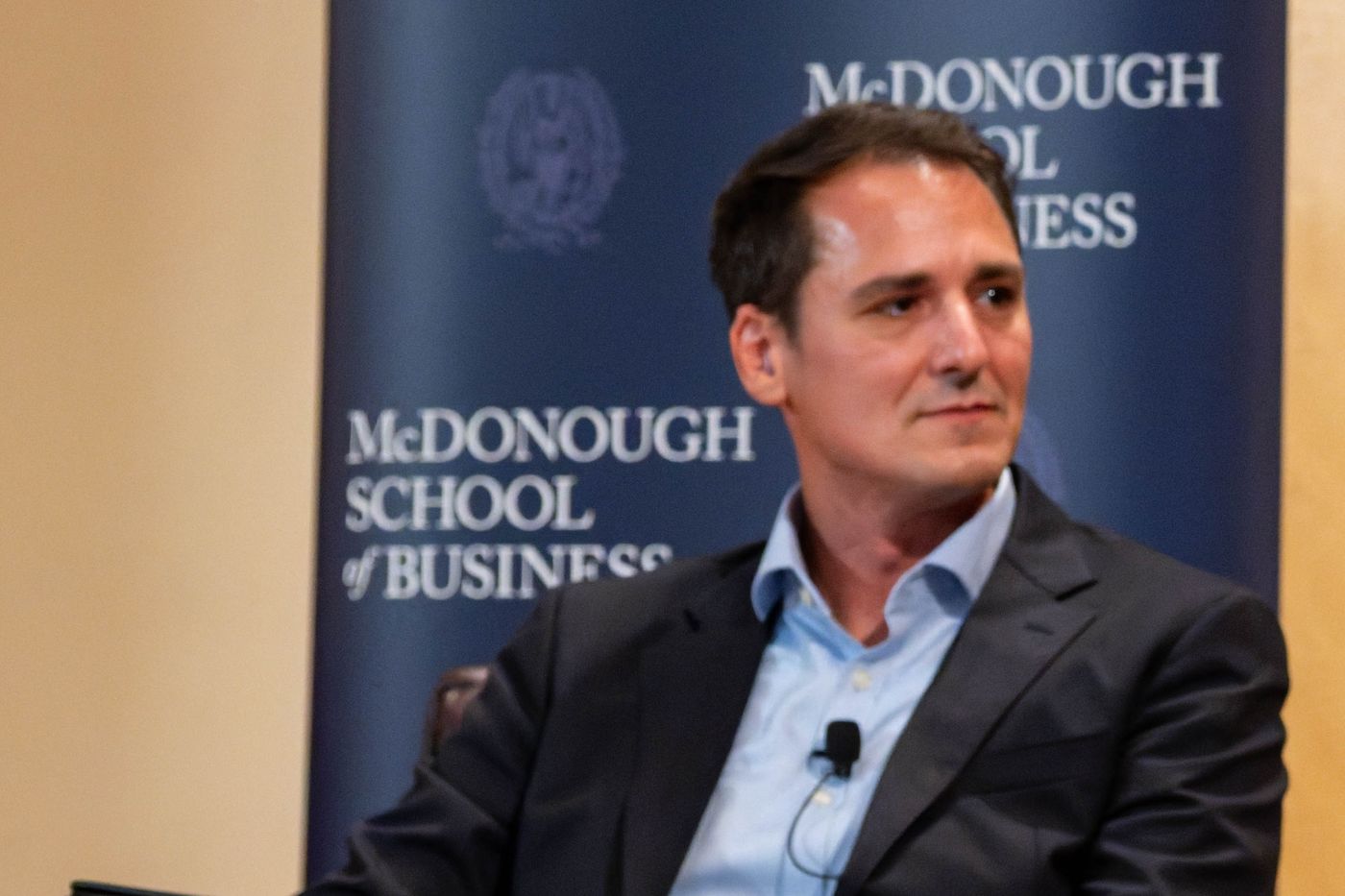
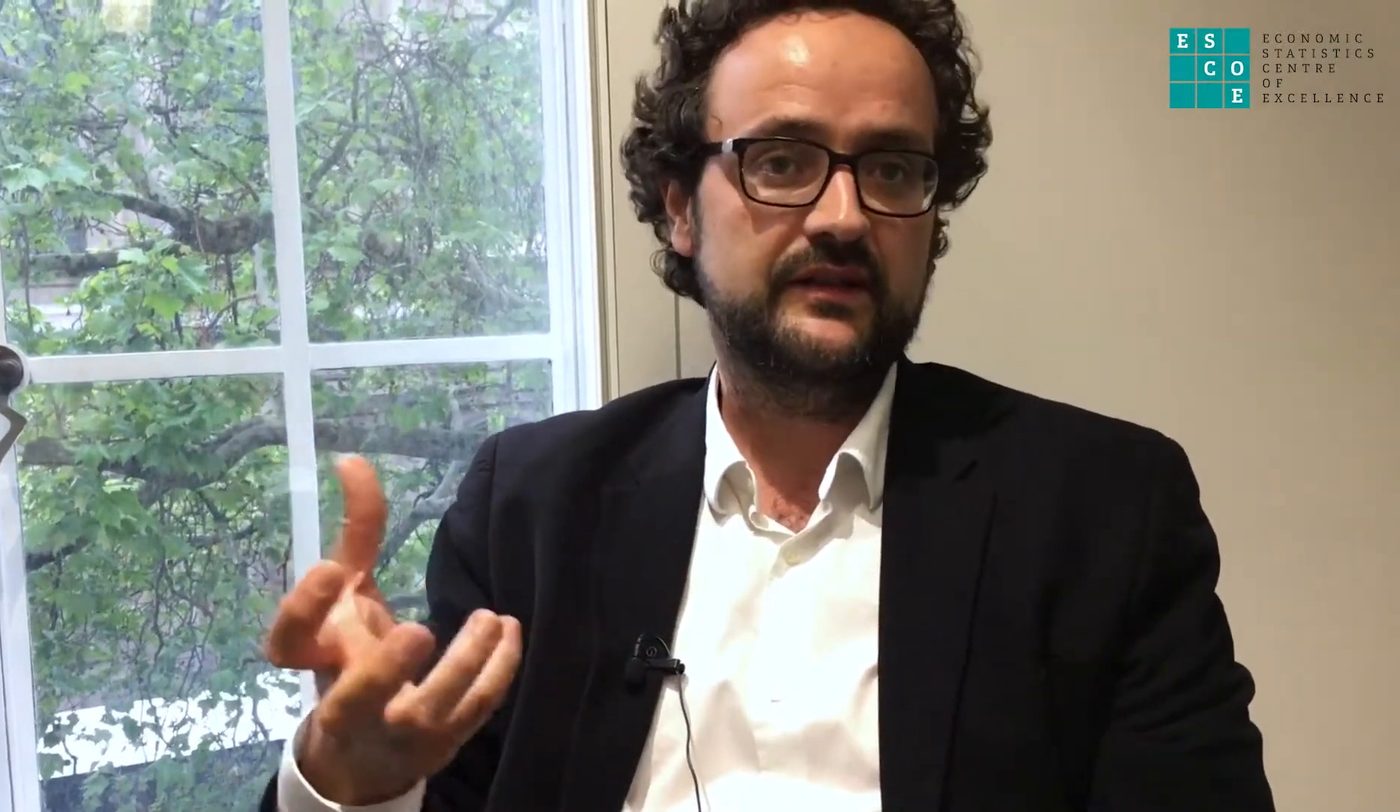
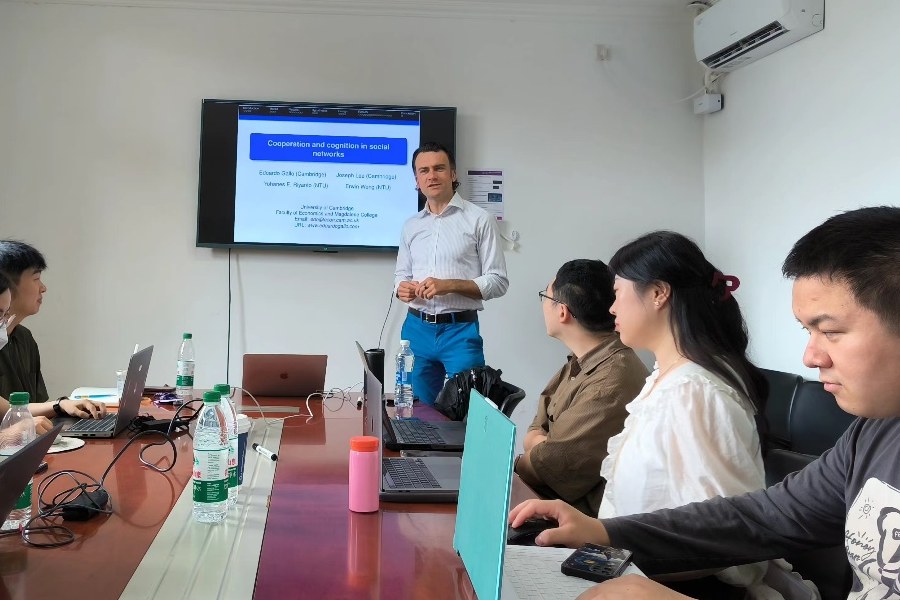
3 · Independence is the product. These scholars already know how to estimate a demand system, write a bargaining model, or testify to a standard of proof. They come from Stanford, Georgetown, Cambridge, the Collège de France, the University of Miami, the University of Hong Kong, Kyoto, National Taiwan University, and peer institutions. They set their own rates and keep the right to refuse a brief. The Lab handles matching, contracts, and the last mile of translation. Funding does not purchase a conclusion. If a chief executive cannot use the work at 7 a.m. or a judge after lunch, it is not finished.




Strategy ahead of the hearing.
Confidential market-structure analysis before a partnership, a pricing change, an integration, or a board meeting a regulator will later read. These are the questions a board should put to itself before an agency does.
Evidence that holds in a hearing.
DMA-style rules, AI governance, digital trade, merger guidelines, and compute and data policy. We brief and convene in Washington, Brussels, and Geneva, and we keep growth and contestability in the same file.
A standard of proof.
Expert analysis of concentration, foreclosure, merger effects, and where a temporary innovation rent ends and durable market power begins. Work that cannot stand up in discovery is not finished.
Our Track Record
Our scholars carry forward the legacy of the GW Competition & Innovation Lab, and they bring a record of scholarship and engagement that few institutions can match.
Clients draw on that record when the decision matters.